Which Electric Toothbrush Type Is Best for Your Oral Health?
Choosing the right electric toothbrush can significantly impact your oral hygiene routine. With various types available—oscillating-rotating, sonic, and ultrasonic—it's essential to understand their differences to make an informed decision.
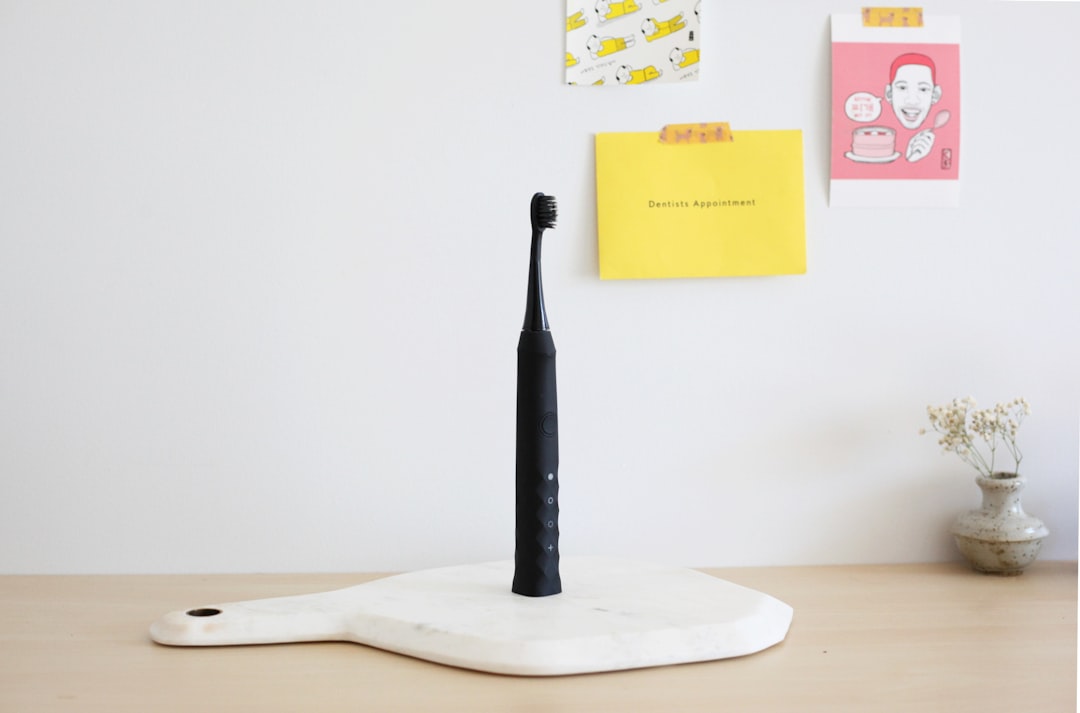
Oscillating-Rotating Electric Toothbrushes
Oscillating-rotating toothbrushes feature small, round brush heads that rotate in one direction and then the other. This mechanical action helps remove plaque effectively. Studies have shown that oscillating-rotating brushes can reduce plaque by up to 21% more than manual brushing and decrease gingivitis by 11% more.
These brushes are particularly good for people who need help with thorough cleaning, as the rotating motion can reach areas that might be missed with manual brushing. They're often recommended by dentists for their proven effectiveness in plaque removal.
Sonic Electric Toothbrushes
Sonic toothbrushes use high-frequency vibrations (typically 30,000-40,000 movements per minute) to clean teeth. Unlike oscillating brushes, they move side-to-side in a sweeping motion that creates fluid dynamics in the mouth, helping to dislodge plaque and debris between teeth.
Many users prefer sonic brushes because they feel gentler on gums while still providing thorough cleaning. The wider brush head and sweeping motion can make them feel more similar to manual brushing, which some people find more comfortable.
Ultrasonic Toothbrushes
Ultrasonic toothbrushes operate at even higher frequencies (typically 1.6 MHz or 96 million pulses per minute) than sonic brushes. These vibrations are so fast they're inaudible to humans. The ultrasonic waves can disrupt bacterial membranes and remove biofilm without needing physical contact with all tooth surfaces.
While ultrasonic technology shows promise, especially for people with sensitive teeth or gum issues, more research is needed to fully understand its long-term benefits compared to other electric toothbrush types.
Key Factors to Consider When Choosing
When selecting an electric toothbrush, consider these important factors:
- Your specific oral health needs (sensitive gums, braces, etc.)
- Brush head size and shape that fits your mouth comfortably
- Battery life and charging options
- Available brushing modes (sensitive, whitening, gum care)
- Pressure sensors that alert you if you're brushing too hard
Maintenance and Replacement
Regardless of which type you choose, proper maintenance is crucial. Replace brush heads every 3 months or sooner if bristles become frayed. Clean the brush handle regularly and store it in a dry place to prevent bacterial growth.
Remember that no toothbrush can compensate for poor brushing technique. Always brush for two minutes twice daily, paying attention to all tooth surfaces and your gum line.
Further Reading
For more detailed information about electric toothbrushes, consider these authoritative resources:
- American Dental Association - Toothbrush Care
- National Institutes of Health - Electric vs Manual Toothbrush Study
- Colgate - Guide to Electric Toothbrushes
